
glass tempered glass
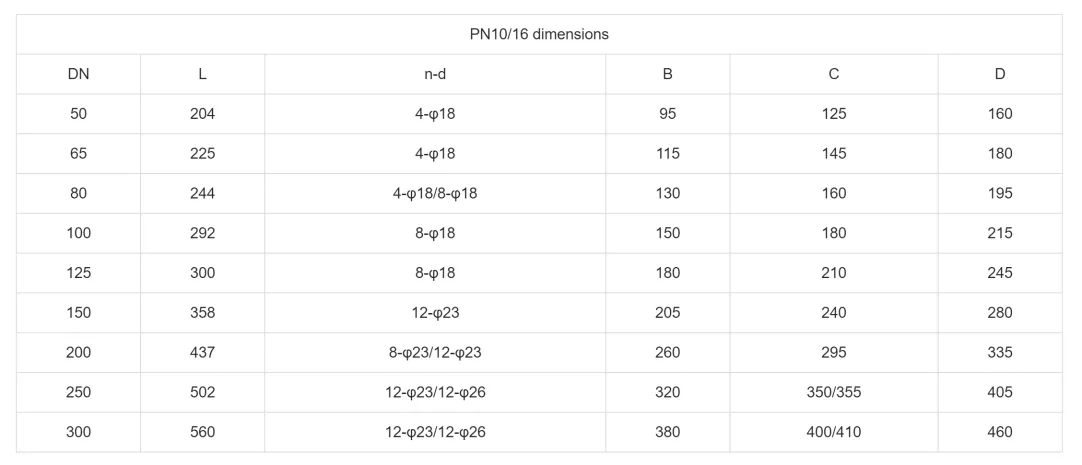
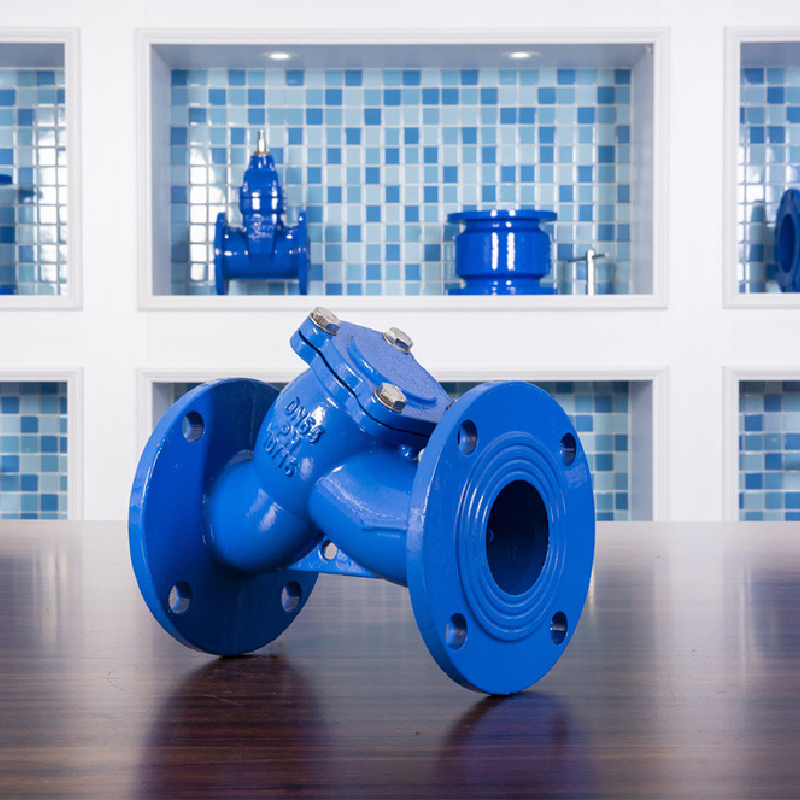
Understanding the Pricing of 16% Gate Valves Gate valves play a crucial role in various industrial applications, providing an efficient means of controlling fluid flow. Among the various types of valves, the gate valve is preferred for its ability to offer a straight-line flow path, minimal pressure drop, and the capability to fully open or close the flow. This article will explore the factors influencing the price of gate valves, particularly those with a 16% rating, which typically signifies their durability and performance in moderate pressure applications. What is a Gate Valve? A gate valve is a type of valve that opens by lifting a rectangular or circular gate out of the path of the fluid. This design makes it particularly suitable for applications where the flow needs to be either fully on or fully off, rather than throttled. Gate valves are commonly used in pipelines, water supply systems, and various industrial applications, and their effectiveness can significantly impact the overall operation of a system. Factors Influencing the Price of 16% Gate Valves The price of gate valves, including those rated at 16%, can vary widely based on several key factors 1. Material Composition The material from which a gate valve is made heavily influences its price. Common materials include cast iron, brass, stainless steel, and bronze. Stainless steel valves, for instance, tend to be more expensive than those made from cast iron due to their resistance to corrosion and longer lifespan. 16 gate valve price 2. Size and Dimensions The size of the gate valve is another key factor in its pricing. Larger valves require more material and may involve more complex manufacturing processes, leading to higher costs. 3. Manufacturer and Brand Reputation The brand reputation of the manufacturer can also affect the price. Established manufacturers with a track record of producing high-quality, reliable valves may charge a premium. Conversely, lesser-known brands may offer lower prices, but this can sometimes come at the cost of quality or reliability. 4. Application and Use Case The intended application can influence valve pricing as well. For instance, gate valves used in critical infrastructure, such as water treatment facilities or industrial plants, may be designed with higher standards and more stringent quality controls, leading to higher costs. 5. Market Conditions Supply and demand dynamics can affect pricing. During periods of high demand or shortages in material supply, prices for gate valves can increase. Additionally, fluctuations in steel prices, tariffs, and global trade issues may further impact costs. 6. Customization and Features Custom features, such as specific types of actuators, coatings for corrosion resistance, or ratings for extreme temperatures, can also drive up the price. Standard valves tend to be more cost-effective than those requiring unique modifications or specifications. Conclusion When considering the purchase of a 16% gate valve, it is essential to understand the various factors that influence its price. By evaluating the material, size, brand reputation, application needs, market conditions, and any necessary customizations, buyers can make more informed decisions. Investing in the right gate valve not only supports optimal flow control but also contributes to the efficiency and longevity of the overall system. As with any industrial purchase, careful consideration of these elements will lead to better performance and value over time.
about
glass tempered glass
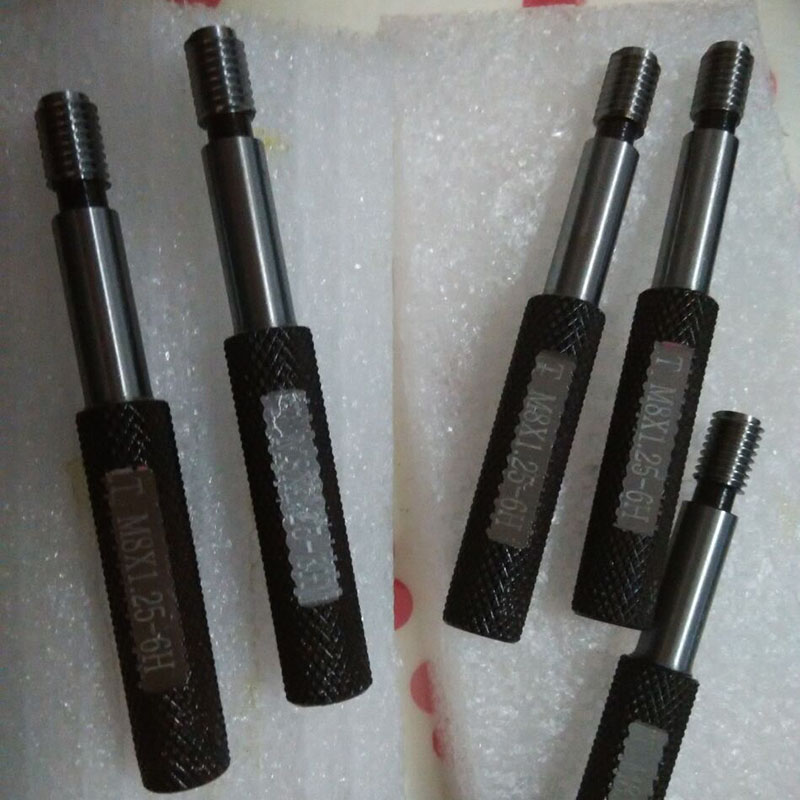
Understanding the Dial Snap Gauge A Crucial Tool in Precision Measurement In the world of precision engineering and manufacturing, measuring devices play a pivotal role in ensuring that components meet strict specifications. Among these tools, the dial snap gauge stands out as a versatile and essential instrument for quality control and precision measurement. This article delves into the features, applications, and advantages of the dial snap gauge, illustrating its significance in various fields. What is a Dial Snap Gauge? A dial snap gauge, also known as a dial gauge or dial indicator gauge, is a measuring instrument designed to assess the dimensions of an object, particularly its thickness or diameter. The device typically consists of a dial face that displays measurements, a probe that makes contact with the object being measured, and a spring-loaded mechanism that allows for precise readings. The gauge is often employed in environments where tight tolerances are crucial, such as in machining, assembly, and quality assurance processes. Key Features of Dial Snap Gauges 1. Precision Measurement Dial snap gauges are known for their accuracy, often providing measurements with a tolerance of thousandths of an inch. The precision of these gauges makes them indispensable in manufacturing settings where precision is non-negotiable. 2. Ease of Use One of the most commendable features of dial snap gauges is their user-friendly design. With a straightforward dial display, operators can quickly read measurements without the need for extensive training or complicated mathematical calculations. This ease of use enhances efficiency in a busy manufacturing environment. 3. Durability and Robustness Constructed from high-quality materials, dial snap gauges are designed to withstand the rigors of industrial environments . They can endure vibrations, impacts, and other potentially damaging factors, ensuring that they maintain their accuracy and longevity. 4. Versatility Dial snap gauges can measure a wide range of dimensions and can be used for both external and internal measurements. Some models come equipped with interchangeable probes or attachments, allowing for flexible use across diverse applications. dial snap gauge Applications of Dial Snap Gauges Dial snap gauges are utilized across various industries where precise measurements are imperative. Some common applications include - Machining In CNC machining and fabrication, dial snap gauges are used to measure the dimensions of machined parts, ensuring they fit together correctly and function as intended. - Quality Control Manufacturing companies employ dial snap gauges in quality control processes to verify that products meet design specifications and regulatory standards. - Automotive Industry In the automotive sector, dial snap gauges help ensure that components such as brake pads, gears, and other critical parts adhere to tight tolerances for safety and performance. - Aerospace The aerospace industry relies on dial snap gauges to measure components that must meet stringent safety standards, where even minor discrepancies can have serious implications. Advantages of Using Dial Snap Gauges The benefits of using dial snap gauges extend beyond their accuracy and ease of use. These instruments contribute to improved operational efficiency and reduced waste in manufacturing processes. By enabling precise measurements, dial snap gauges help prevent defects and rework, ultimately leading to cost savings. Additionally, the mechanical nature of dial gauges means they do not require a power source, making them reliable for use in various field conditions. Their straightforward design also minimizes the risk of user error, as operators can quickly verify readings and make adjustments as needed. Conclusion In summary, the dial snap gauge is an essential tool in precision measurement, delivering accuracy, ease of use, and durability across numerous applications. Its significance in quality control and manufacturing cannot be overstated, as it ensures that products meet stringent specifications and function as intended. As industries continue to prioritize precision and quality, the dial snap gauge will remain a cornerstone of measurement technology, supporting advancements in engineering and manufacturing processes.
-

High quality industrial productsagement

High quality industrial products
View Details -

Meet the diverse needs of customers

Meet the diverse needs of customers
View Details -

Strict quality control

Strict quality control
View Details -

Top raw materials

Top raw materials
View Details -

Trusted supplier

Trusted supplier
View Details
Our application

news and information
Valve Types & Applications
The valve industry is a cornerstone of modern infrastructure, serving critical roles in plumbing, oi
Water Cut Off Valve - Comprehensive Guide and Best Practices
Understanding Water Cut-Off Valves Their Importance and Functionality Water cut-off valves are essen
Welding Inspection Tools for Accurate Measurement and Quality Assurance
The Importance of Welding Inspection Rulers in Quality Control Welding is a critical process in vari
 English